Anti Aging
NAD+ vs NMN vs Niacinamide: What’s the Difference, and Which Should You Formulate With?
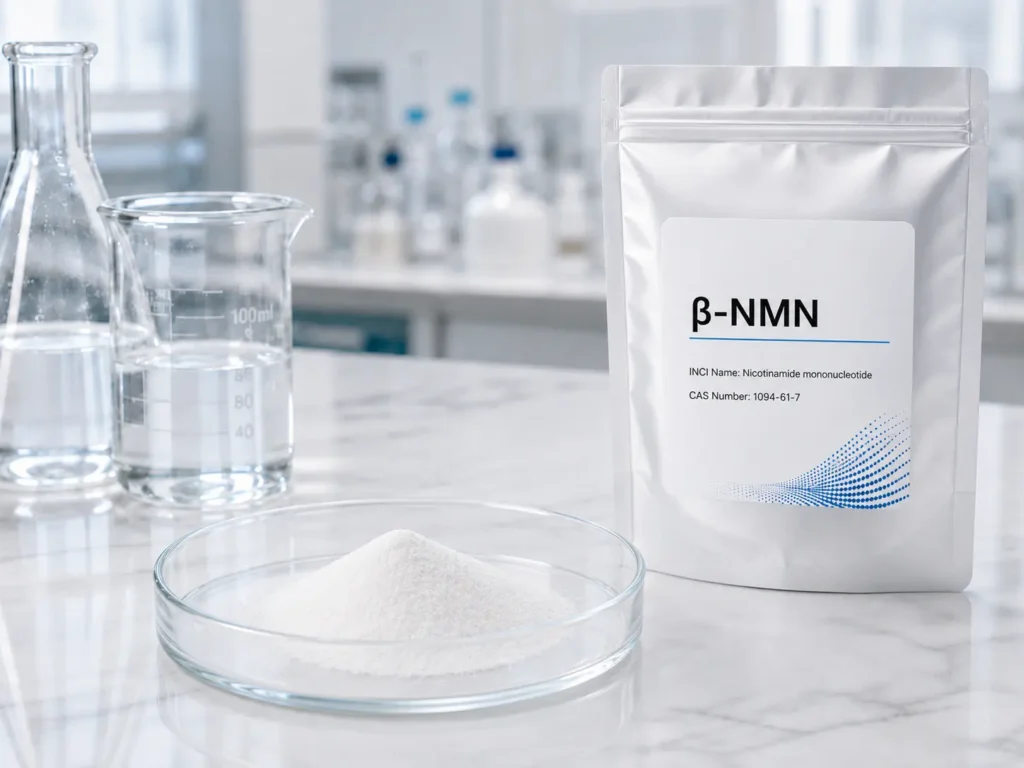
The short answer to NAD+ vs NMN vs niacinamide is that all three sit on the same metabolic route and still behave as three different cosmetic ingredients. Niacinamide is the…
September 29, 2026
read more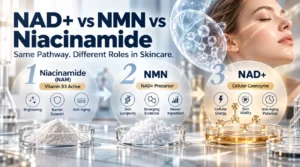
PDRN vs Polynucleotide (PN): Molecular Weight, Skincare Applications and Supplier Differences
PDRN and polynucleotide, usually shortened to PN, are often presented as two names for the same salmon DNA ingredient. That is an oversimplification. Both are DNA-derived polymers, and both may…
July 13, 2026
read more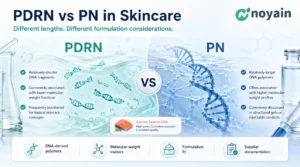
What Is Hydrolyzed Sponge? Sponge Spicules Explained
Hydrolyzed Sponge is a cosmetic raw material made from purified microscopic structures called sponge spicules. It is supplied as a fine powder and added to serums, gels, creams, masks and…
August 5, 2026
read more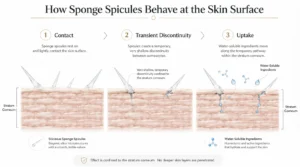
Alpha-Glucosylrutin and Vitamin E: Why They’re Used Together—and What the Research Shows
Anyone reading up on Alpha-Glucosylrutin (AGR) runs into vitamin E almost at once. Alpha-Glucosylrutin and vitamin E keep appearing together for a simple reason: the human study cited most often…
September 14, 2026
read more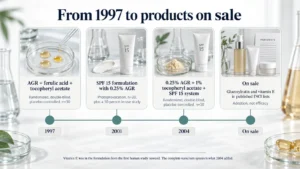
10 Best Anti-Aging Ingredients in 2026: Trends, Products & Formulation Ideas
Anti-aging skincare remains one of the most active areas of cosmetic ingredient development, but the ingredients attracting attention are not the same every year. Retinoids, vitamin C and peptides are…
August 21, 2026
read more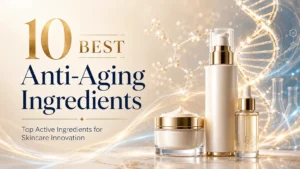
PDRN Hyperchromicity: A Key Quality Indicator for Double-Stranded DNA
This article is based on nucleic-acid spectroscopy principles, ingredient functionality review, and supplier quality-control interpretation. It does not make clinical treatment claims. Finished-product performance must be validated in the final…
June 25, 2026
read more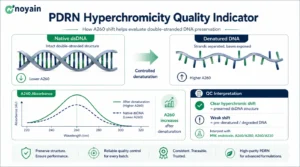
Different Sources of PDRN Explained: Salmon, Vegan, Bioengineered and Synthetic Routes
Many skincare brands, formulators and consumers still treat PDRN as one standardized ingredient. It is not. Most articles compare only salmon PDRN and vegan PDRN. In practice, the market now…
July 9, 2026
read more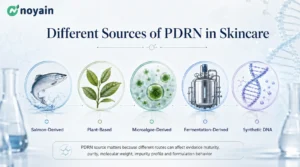
How Is PDRN Extracted? From Salmon DNA to a High-Specification Raw Material
PDRN is usually introduced as “salmon DNA”, which makes it sound like something you simply take out of a fish. Turning it into a Sodium DNA / PDRN raw material…
August 17, 2026
read more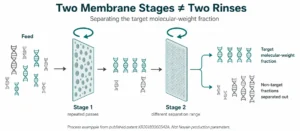
Is Hydrolyzed Sponge Safe? What Brands and Formulators Should Define First
If you are evaluating Hydrolyzed Sponge for a new skincare formula, safety is usually one of the first questions to come up. The short answer: Hydrolyzed Sponge safety cannot be…
August 14, 2026
read more
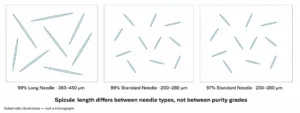
Hydrolyzed Sponge Purity and Spicule Length: Choosing Between the 99% Long, 99% Standard and 97% Standard Grades
Three grades, two variables, and one comparison most buyers get backwards. Quick answer: which Hydrolyzed Sponge grade should you evaluate first? Start with the 99% standard needle, because it sits…
August 6, 2026
read more