Ingredient Guide
PDRN vs Polynucleotide (PN): Molecular Weight, Skincare Applications and Supplier Differences
PDRN and polynucleotide, usually shortened to PN, are often presented as two names for the same salmon DNA ingredient. That is an oversimplification. Both are DNA-derived polymers, and both may…
July 13, 2026
read more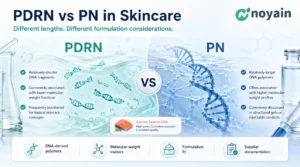
What Is Hydrolyzed Sponge? Sponge Spicules Explained
Hydrolyzed Sponge is a cosmetic raw material made from purified microscopic structures called sponge spicules. It is supplied as a fine powder and added to serums, gels, creams, masks and…
August 5, 2026
read more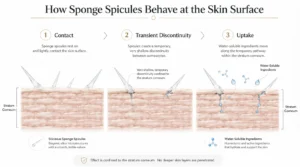
What is Pentylene Glycol? A Complete Guide for Skincare Formulators (2026)
Pentylene glycol is one of the most versatile ingredients in modern skincare formulation — but what exactly is it, and when should you use it over other glycols? This guide…
June 3, 2026
read more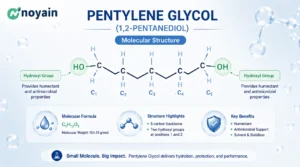
How Is PDRN Extracted? From Salmon DNA to a High-Specification Raw Material
PDRN is usually introduced as “salmon DNA”, which makes it sound like something you simply take out of a fish. Turning it into a Sodium DNA / PDRN raw material…
August 17, 2026
read more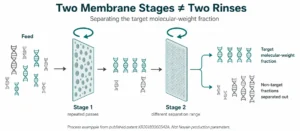
Hydrolyzed Sponge Purity and Spicule Length: Choosing Between the 99% Long, 99% Standard and 97% Standard Grades
Three grades, two variables, and one comparison most buyers get backwards. Quick answer: which Hydrolyzed Sponge grade should you evaluate first? Start with the 99% standard needle, because it sits…
August 6, 2026
read more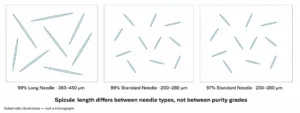
What is PDRN? A Complete Guide to Salmon DNA in Skincare (2026)
PDRN has moved quickly from regenerative-medicine research into K-beauty marketing, cosmetic formulation and global ingredient sourcing. That popularity has also created confusion.Some pages describe PDRN as one fixed molecule. Others…
June 3, 2026
read more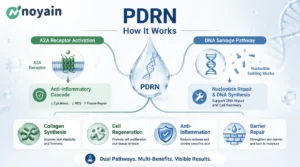
Ectoin Benefits for Skin
Ectoin is commonly promoted for hydration, skin-barrier support, sensitive-skin comfort, and protection-oriented skincare. For cosmetic product developers, however, the useful question is not simply whether Ectoin has benefits for skin.…
July 21, 2026
read more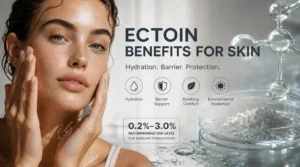
Is Squalane Comedogenic? What Formulators and Brands Should Know
The question arrives from two directions. A brand needs to answer it for customers, and a brand may want to put “non-comedogenic” on a label. Those look like the same…
July 29, 2026
read more
Squalane Benefits in Skincare: What the Ingredient Does in a Formula
Squalane’s function as a cosmetic emollient is well documented. A large share of the benefit claims circulating around it is not. The two get quoted in the same breath, and…
July 28, 2026
read more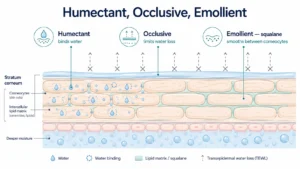
What Is Squalane Made From? Source Routes and How to Verify Them
The INCI name Squalane tells you nothing about where the material came from. Two drums can carry the same name, the same CAS number, and the same appearance while originating…
July 28, 2026
read more