Cosmetic Formulation & Ingredient Blog
Explore the latest insights, formulation trends, ingredient technologies, and market developments in the cosmetic and personal care industry.
From active ingredients and preservative systems to clean beauty and formulation strategies, our blog helps brands and formulators stay ahead of evolving market demands.
- Ingredient Technologies
- Formulation Trends
- Clean Beauty Insights
- Industry Innovations
- Technical Knowledge
Is Squalane Comedogenic? What Formulators and Brands Should Know
The question arrives from two directions. A brand needs to answer it for customers, and a brand may want to put “non-comedogenic” on a label. Those look like the same…
Release time:2026-07-29 | Update time:2026-07-29
read more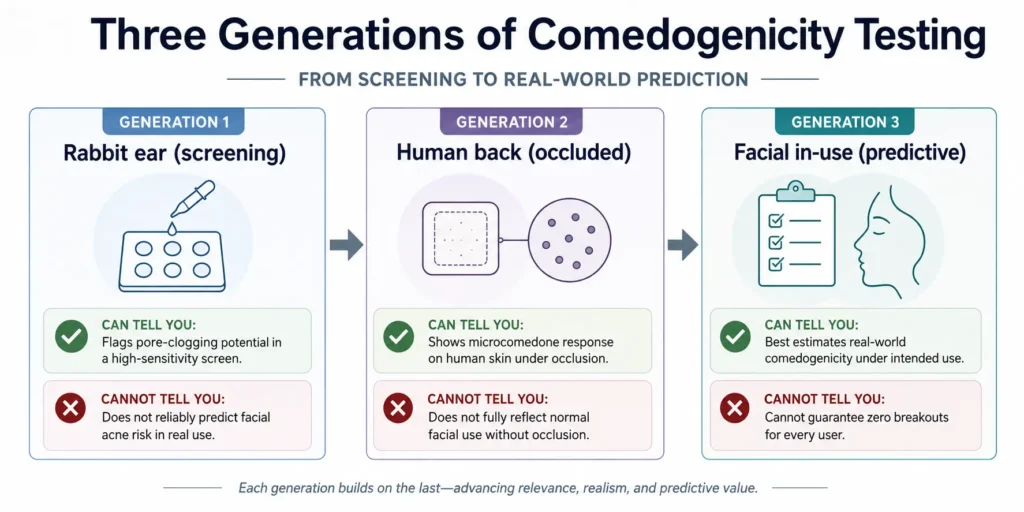
Squalane Benefits in Skincare: What the Ingredient Does in a Formula
Squalane’s function as a cosmetic emollient is well documented. A large share of the benefit claims circulating around it is not. The two get quoted in the same breath, and…
Release time:2026-07-28 | Update time:2026-07-28
read more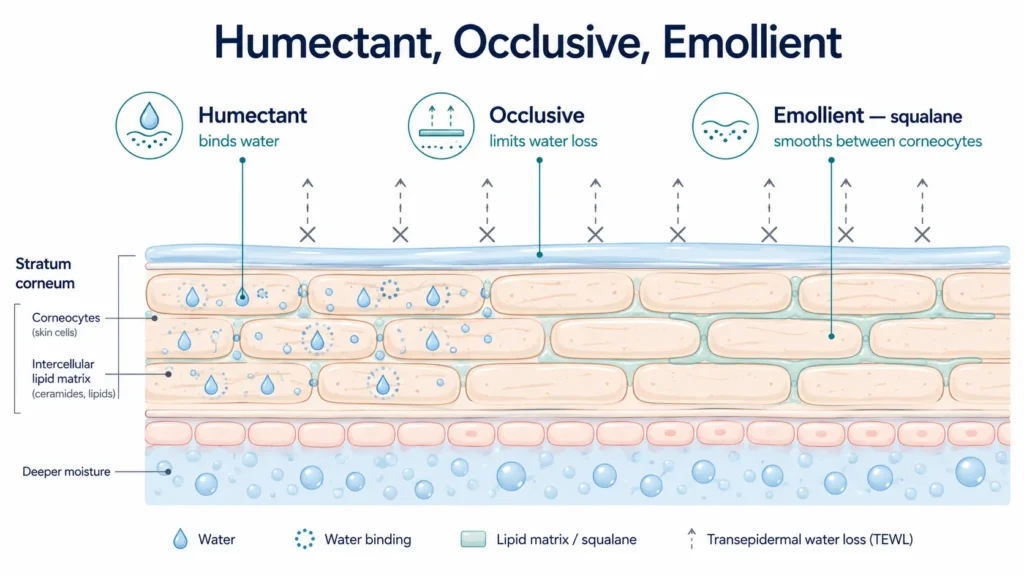
Dimethicone vs Squalane: What Squalane Can and Cannot Replace
A brand sends a brief: can squalane replace the dimethicone in this formula? The honest answer has three parts, and only one of them is about squalane. What does the…
Release time:2026-07-28 | Update time:2026-07-29
read more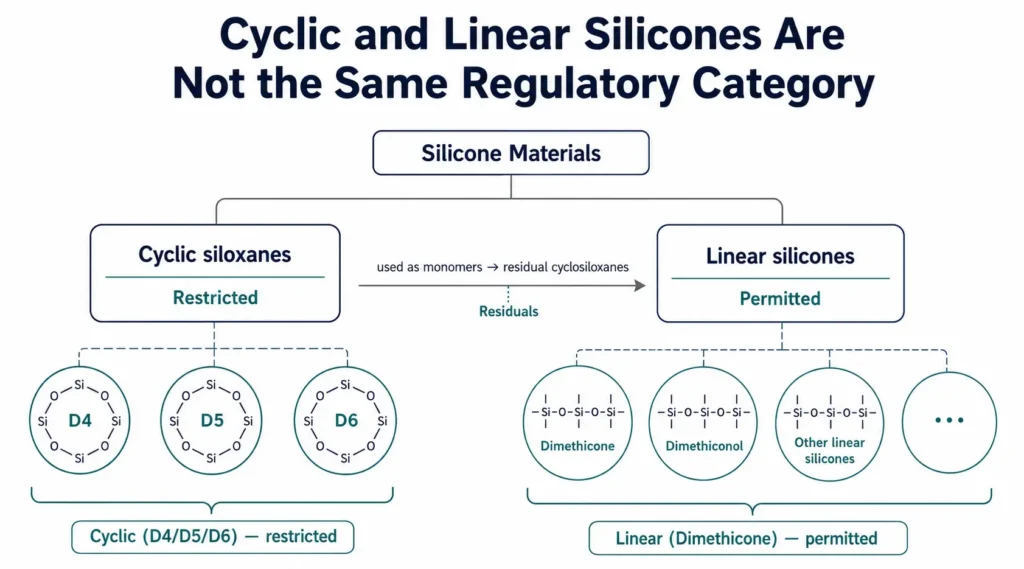
What Is Squalane Made From? Source Routes and How to Verify Them
The INCI name Squalane tells you nothing about where the material came from. Two drums can carry the same name, the same CAS number, and the same appearance while originating…
Release time:2026-07-28 | Update time:2026-07-28
read more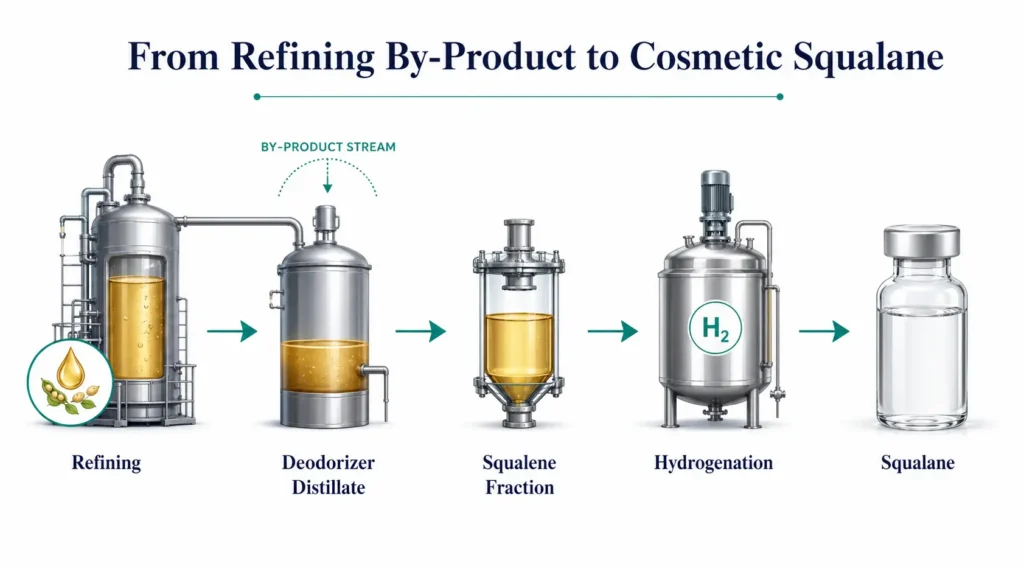
Squalane vs Squalene: Two CAS Numbers, Two Different Raw Materials
A quotation for squalene and a quotation for squalane differ by one letter. The materials differ by six carbon–carbon double bonds, two CAS numbers, and two customs classifications. That matters…
Release time:2026-07-28 | Update time:2026-08-01
read more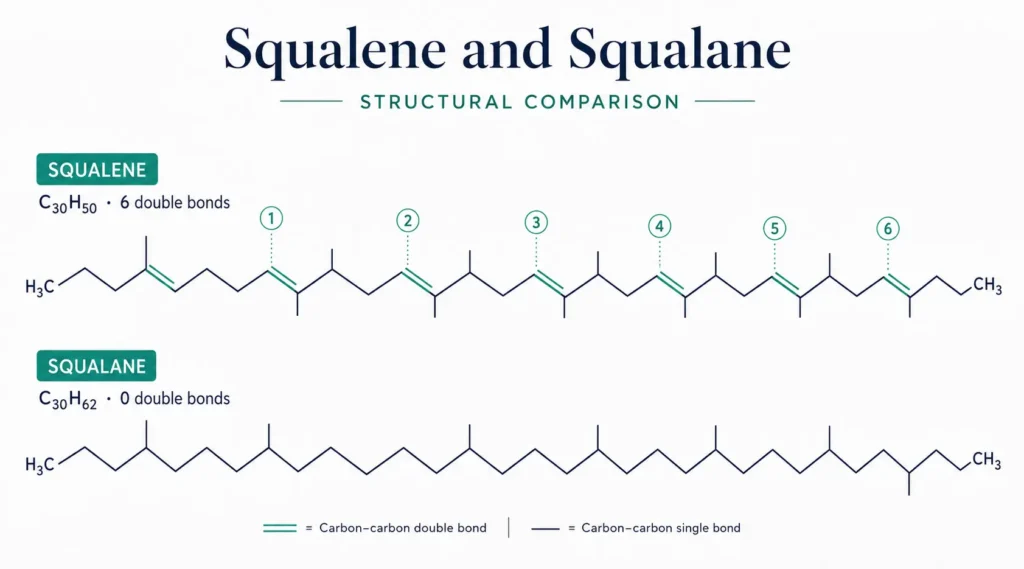
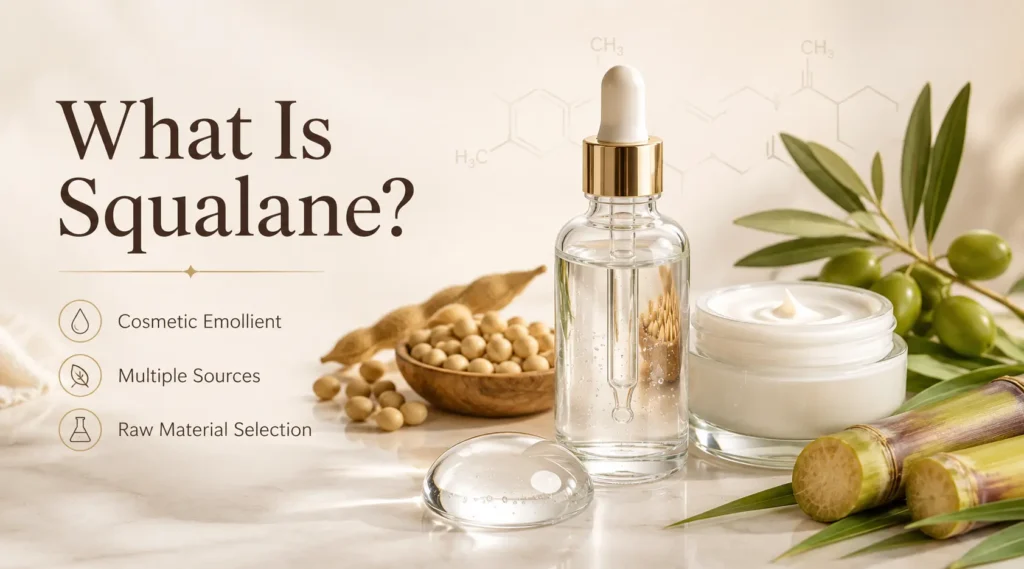
What Is Squalane? Sources, Cosmetic Functions, and Raw Material Selection
Squalane is widely recognized as a skincare ingredient, but evaluating it as a cosmetic raw material requires more than knowing that it leaves skin feeling moisturized. For cosmetic brands, OEM/ODM…
Release time:2026-07-27 | Update time:2026-07-27
read more