Moisturizing Cosmetic Ingredient
Sodium Hyaluronate
SHA-H1 | Hydration-focused skincare starts with a grade you can verify.
Build serums, gel textures and everyday moisturizers around an ingredient customers already recognize. We supply SHA-H1 water-soluble Sodium Hyaluronate with defined content and solution-clarity specifications—ready for sample evaluation and commercial sourcing.
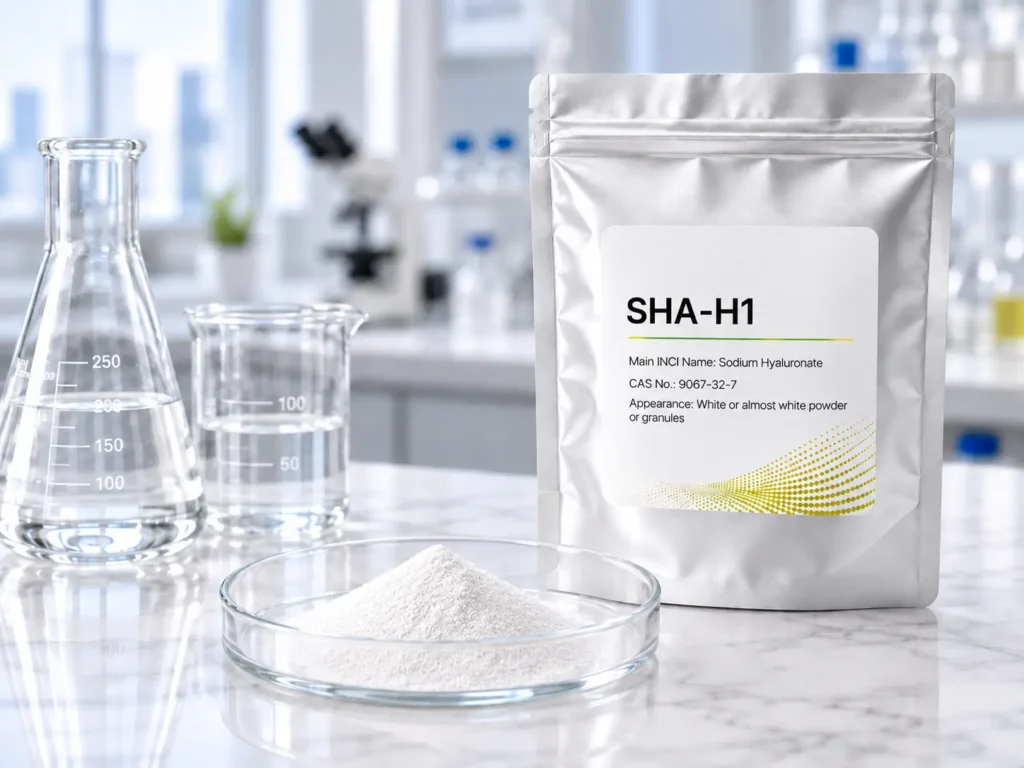
INCI
Sodium Hyaluronate
CAS
9067-32-7
Assay
≥92.0%
Solubility
Water-soluble
Core Function
Humectant / Hydration
MARKET VALIDATION & APPLICATION
Globally Proven by Iconic Brands. Ready for Your Next Formulation
From mass-market daily hydrators to premium dermo-cosmetics, Sodium Hyaluronate is the trusted backbone of global bestsellers—meaning zero market-education risk for your brand.
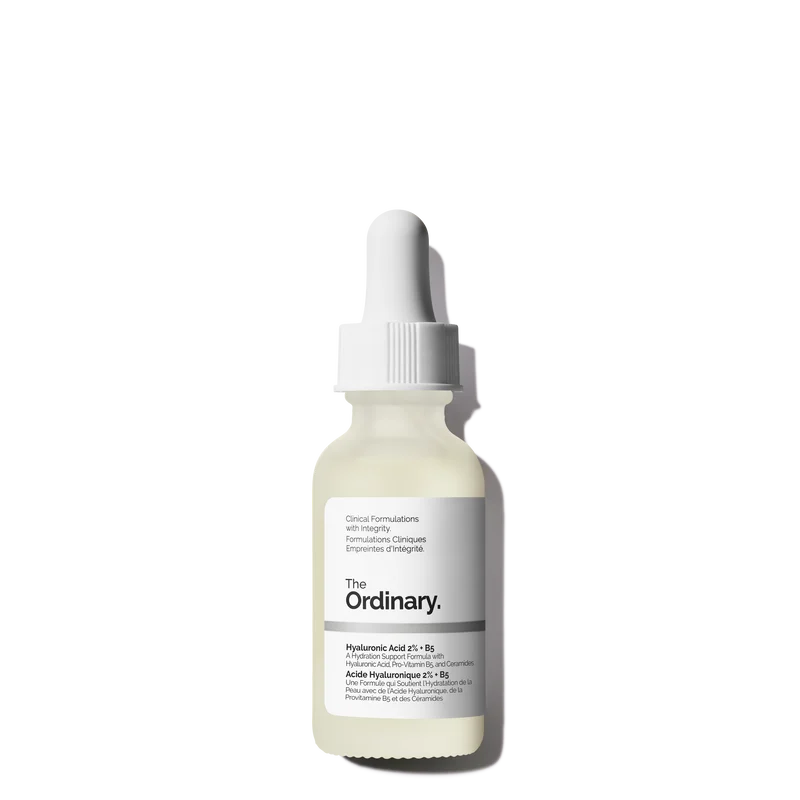
THE ORDINARY
Hyaluronic Acid 2% + B5 (with Ceramides)
Proves high stability and crystal-clear solubility in high-concentration, water-based synergistic B5 & Ceramide systems.
Request Benchmark-Grade Sample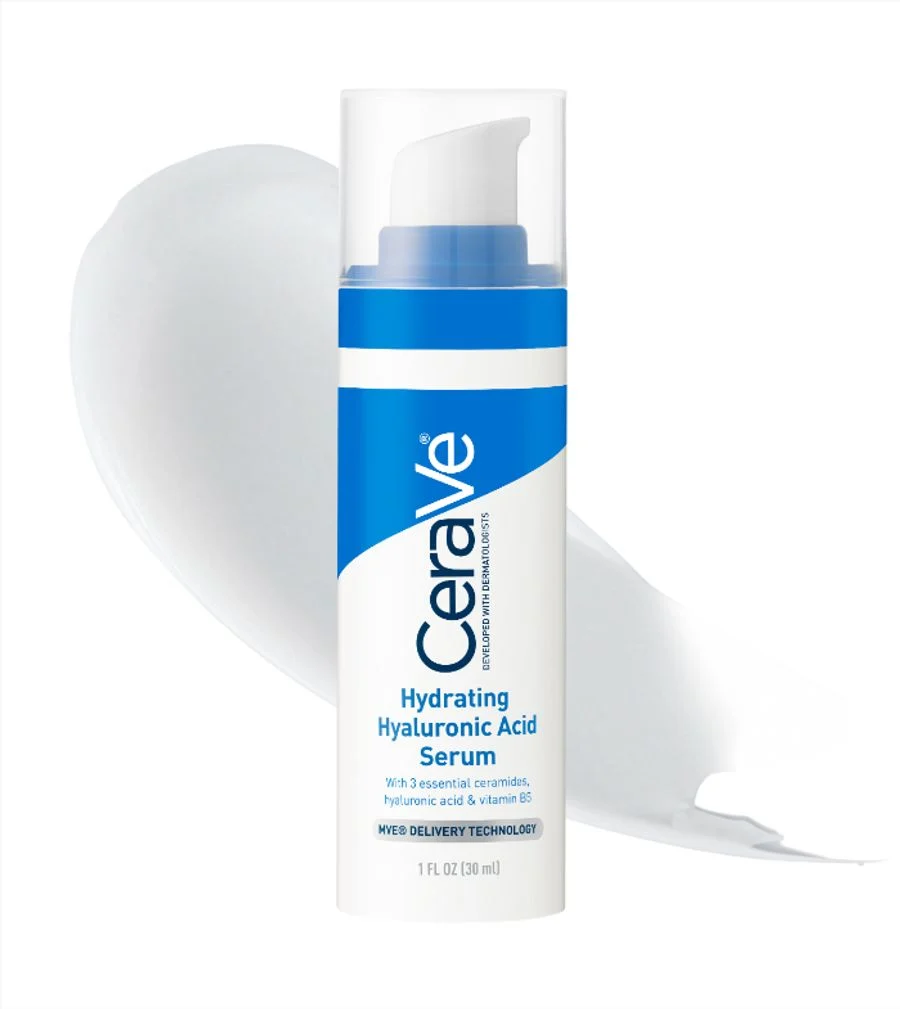
CERAVE
Hydrating Hyaluronic Acid Serum
Demonstrates seamless emulsion compatibility, delivering long-lasting moisture retention alongside barrier-repair lipids.
Request Benchmark-Grade Sample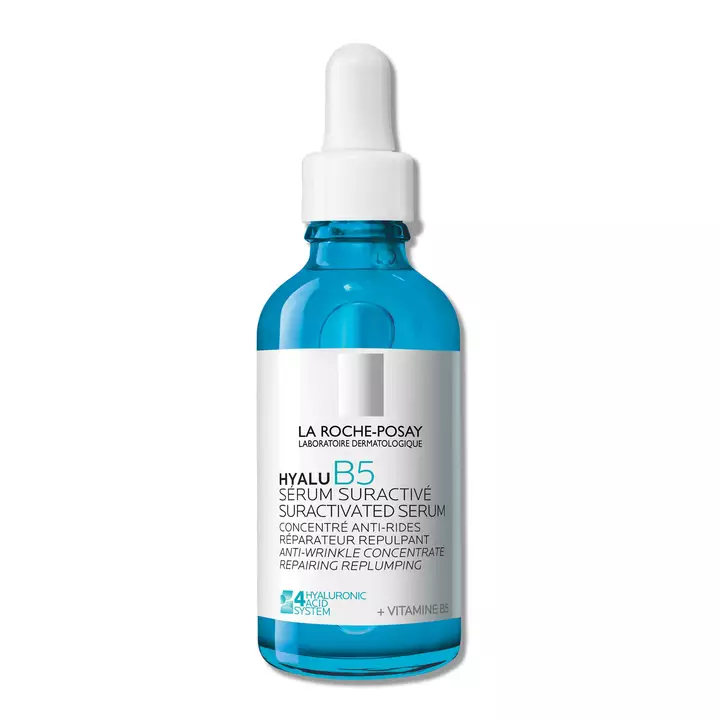
LA ROCHE-POSAY
Hyalu B5 Pure Hyaluronic Acid Serum
Validates clinical-grade anti-aging & plumping performance in premium, dermatologist-recommended multi-weight HA matrices.
Request Benchmark-Grade SampleBuild Your Next Bestseller on Proven Market Success: Global skincare leaders have already validated the massive consumer demand and cross-format stability of Sodium Hyaluronate. With NOYAIN’s SHA-H1, you get benchmark-grade purity, seamless formulation compatibility, and direct-supplier pricing—giving your brand the exact building blocks needed to compete at the highest level. Request a free sample today to validate SHA-H1 in your own formula. (Note: Brand examples shown as public INCI market references).
HYDRATION BENEFITS
Turn an HA Ingredient Story into a Product Customers Want to Feel.
For a hydration-focused product, customers look beyond the label: they want comfortable moisture, a supple-looking finish and a texture worth coming back to. Sodium Hyaluronate is a widely used humectant for developing that kind of skincare experience.
- Visibly Plumper Appearance: Helps reduce the look of dehydration lines for a smoother, well-rested complexion.
- Supple, Non-Tacky Finish: Delivers deep surface hydration without heavy residue.
- Formulator-Friendly Stability: Easy to incorporate across serums, lotions, and sheet-mask essences.
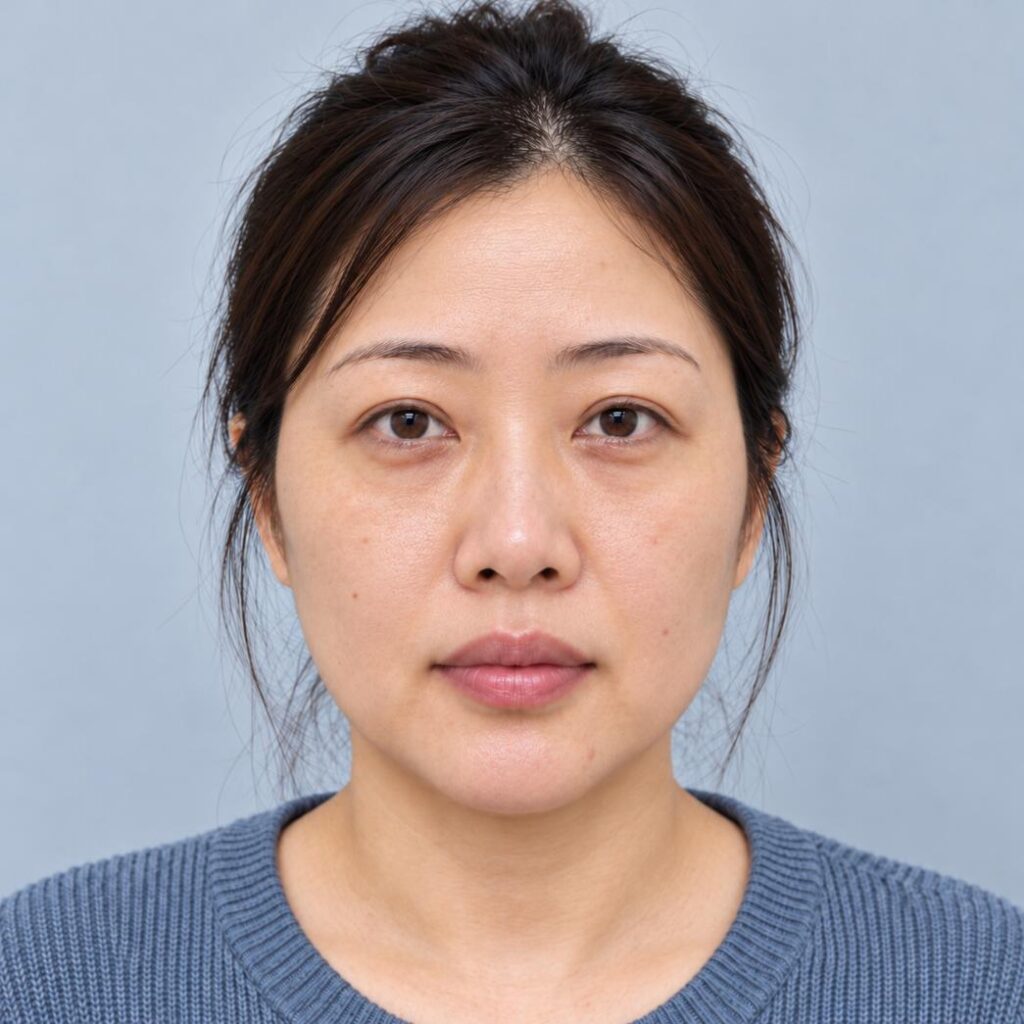
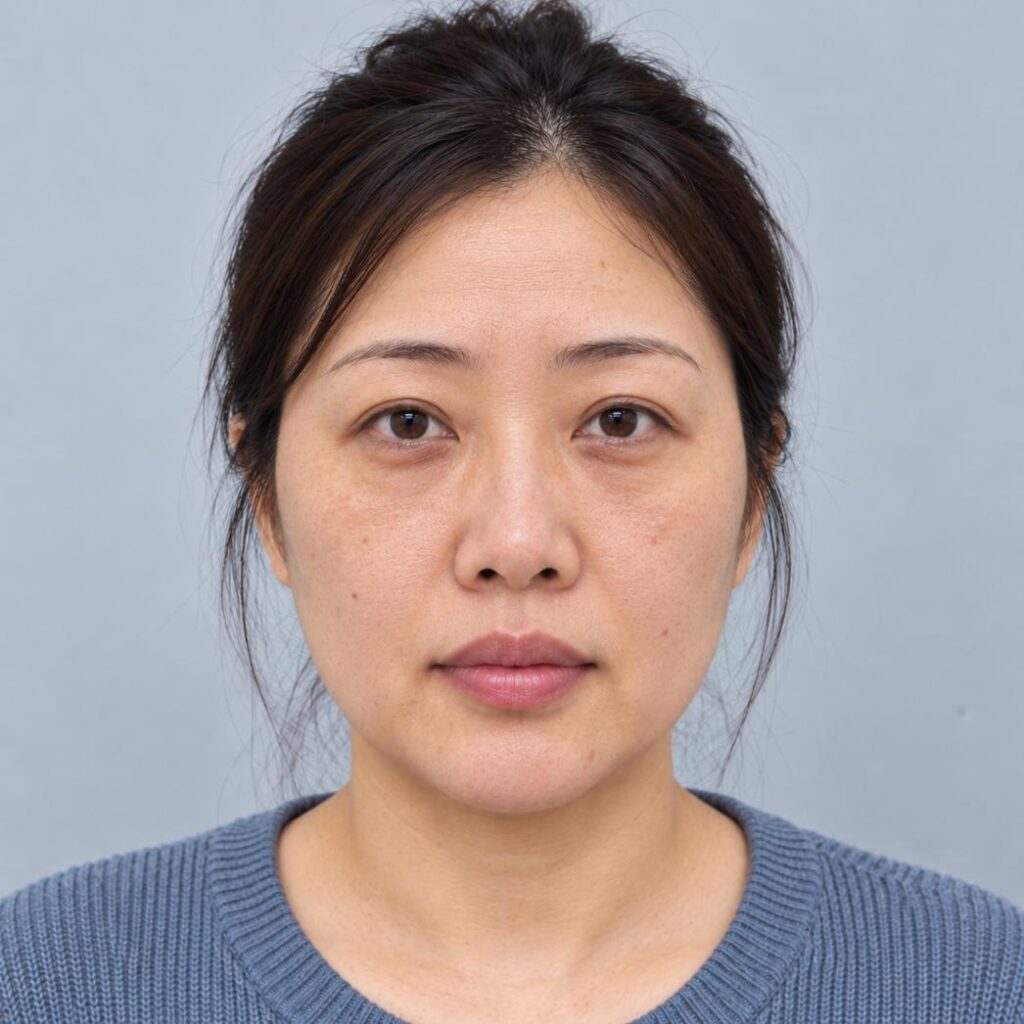 BeforeAfter
Supplier-provided visual demonstration showing ideal formulation results for illustrative purposes. Final efficacy depends on your complete formula matrix.
OUR SHA-H1 QUALITY
The Numbers Behind Our Sodium Hyaluronate.
Market recognition gets attention. Verifiable specifications earn a place on your supplier shortlist. Here is what the reference SHA-H1 batch actually reports.
94.53%
Sodium Hyaluronate Content
Reference batch result
Specification: ≥92.0%
99.5%
Solution Transmittance
Reference batch result
0.5% aq., 25°C, 550 nm
1.204 MDa
Molecular Weight
Reference batch result
Not a fixed grade-wide claim
COA reference: lot NY-20260103, manufactured 3 Jan 2026. Figures describe this lot only. Confirm the proposed supply batch and latest available COA before qualification.
Technical Specifications
Product Technical Parameters
Parameter | Specification |
|---|---|
Trade Name | SHA-H1 |
INCI Name | Sodium Hyaluronate |
CAS No. | 9067-32-7 |
Sodium Hyaluronate Content | ≥92.0% |
Appearance | White or almost white powder / granules |
Solubility | Water-soluble |
Molecular Weight | Reported per batch; see COA |
Storage | Sealed, light-protected, 2–10°C |
Packaging | 10 kg/carton or 20 kg/drum |
Commercial Supply
From Sample Evaluation to Bulk Purchasing
- Sample request for formula compatibility and texture trials, subject to availability.
- Specification and proposed-batch COA; SDS/MSDS subject to document review.
- MOQ, packaging, quantity, destination and lead time confirmed through quotation.
- Storage and delivery planning aligned to the specified 2–10°C conditions.
related products
Other related products
Related Documents
Technical Support Materials
Current-batch COA
Product Specification
SDS / MSDS
Composition Statement
Manufacturing Flowchart
Certificate
Related Topics
Product-related articles
Make SHA-H1 Your Next Formulation Test
Tell us your skincare concept and required quantity. Request the specification and available batch documentation, or discuss supply for your distribution portfolio.
Frequently Asked Questions
Questions from Formulators and Buyers
- What is the difference between Sodium Hyaluronate and Hyaluronic Acid?
Sodium Hyaluronate is the water-soluble sodium salt of Hyaluronic Acid (HA). In cosmetic formulations, it is the preferred form over pure Hyaluronic Acid due to its superior stability, easier aqueous dispersion, and reliable humectant performance for skin hydration and smoothing.
For ingredient sourcing, it is also important to distinguish standard Sodium Hyaluronate from specialized HA derivatives—such as Hydrolyzed Hyaluronic Acid or Sodium Hyaluronate Crosspolymer—as each offers distinct molecular structures, viscosity profiles, and skin-feel characteristics. - What molecular weight is NOYAIN SHA-H1 Sodium Hyaluronate?
SHA-H1 belongs to the High Molecular Weight (HMW) class, with our reference batch (Lot NY-20260103) reporting a molecular weight of 1.204 MDa (approx. 1,204 kDa). Sodium Hyaluronate in this molecular-weight region is prized for forming a breathable, moisture-locking surface film while contributing natural slip and viscosity to skincare formulations. Because bio-fermented polymers exhibit natural batch-to-batch variation, exact measured molecular weight is reported on each batch’s COA—allowing buyers to review and approve the specific supply batch prior to shipment.
- Which cosmetic formulations are suitable for SHA-H1?
SHA-H1 is highly versatile and widely formulated into hydrating serums, gel-creams, daily moisturizers, sheet-mask essences, and soothing lotions.
It demonstrates excellent compatibility alongside mainstream active and base ingredients, including Glycerin, Panthenol (Pro-Vitamin B5), Niacinamide, Ectoin, and Ceramide systems. Since final texture, viscosity, and clarity depend on your complete formula matrix, we offer free samples to support your lab compatibility testing. - What is the recommended use level for Sodium Hyaluronate in skincare?
Because SHA-H1 is a high-molecular-weight grade with strong water-binding and thickening capability, typical use levels in daily skincare range from 0.05% to 0.3% for lightweight serums, lotions, and toners, and up to 0.5% – 1.0% when building richer aqueous gels. The optimal dosage depends on your target viscosity, product format, and overall humectant system. Contact our team to request technical guidance and a free sample to validate the ideal concentration in your base.
- How should Sodium Hyaluronate powder be incorporated into a formula?
Sodium Hyaluronate should be dispersed and fully hydrated in the aqueous phase. To prevent clumping (“fish-eyes”) during manufacturing, gradually sprinkle the powder into the vortex of agitated water. Pre-wetting the powder with a glycol or humectant—such as Pentylene Glycol or Glycerin—prior to adding water significantly accelerates uniform dispersion. Allow sufficient stirring time for complete hydration until a crystal-clear, homogeneous solution is achieved.
- How should buyers evaluate the quality of SHA-H1?
Formulators and buyers typically evaluate two core benchmarks: assay purity and aqueous clarity. Our reference SHA-H1 batch reports 94.53% Sodium Hyaluronate content (exceeding the ≥92.0% standard specification) alongside an exceptional 99.5% solution transmittance (measured in a 0.5% aq. solution at 25°C, 550 nm). This combination of high active assay and near-100% optical clarity ensures your finished serums and essences remain crystal-clear without cloudiness or sediment. Full batch-specific COA parameters are provided for your quality assurance review.
- What technical documents can NOYAIN provide?
We provide a complete regulatory and quality dossier to streamline your supplier qualification process. Buyers can immediately request the current-batch COA, Technical Specification (TDS), and SDS/MSDS for SHA-H1. Additional supporting documents—including Composition Statements, Manufacturing Flowcharts, and relevant compliance certificates—are available upon request. Simply let us know your destination market and regulatory needs when submitting your inquiry.
- Can I request a free sample, bulk pricing, and international delivery?
Yes. NOYAIN supports R&D sample evaluation and commercial bulk supply for skincare brands, contract manufacturers (OEM/ODM), and global ingredient distributors. Standard bulk packaging includes 10 kg cartons and 20 kg drums (with flexible trial quantities available), stored under sealed, light-protected conditions (2–10°C recommended for optimal long-term shelf life). Share your target application, required volume, and destination country—our team will respond promptly with sample dispatch details, tiered pricing, and reliable door-to-door shipping options.